
ARTIFACT
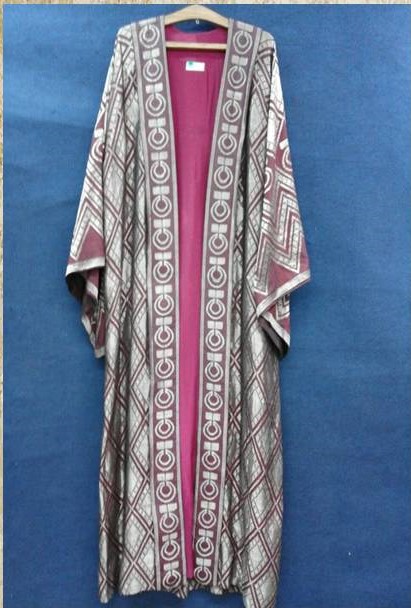
THE CHANCELLOR’S ROBE
This robe which was worn by the first, second and third Chancellors of UTM during the convocation ceremonies from the year 1979 until 1987 was made of songket cloth. It is red in colour and embroidered with gold thread. The pattern was set in the form of geometric diagrams to symbolise technology in addition to using the original pattern of songket fabric. While the ‘Cut Wajek” & “Pucuk Rebong” patterns were chosen as the basic pattern.
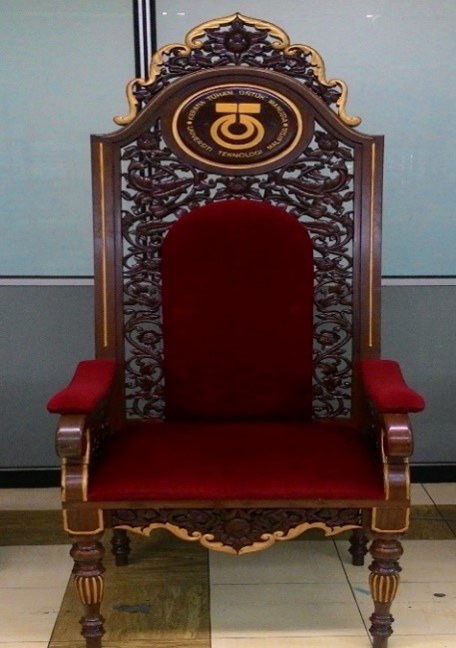
THE CHANCELLOR’S CHAIR
The first UTM Chancellor’s Chair was used during the UTM convocation ceremonies from the year 1977 until 2009.
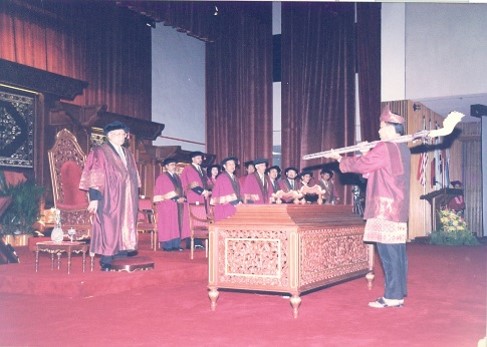
‘MEJA KERIS KUASA’
The ‘Meja Keris Kuasa’ was officially used in 1977 until 2000. It was used to place the ‘Keris Ganja Seiras Melela’ during the UTM convocation ceremonies at the Sultan Iskandar Hall.
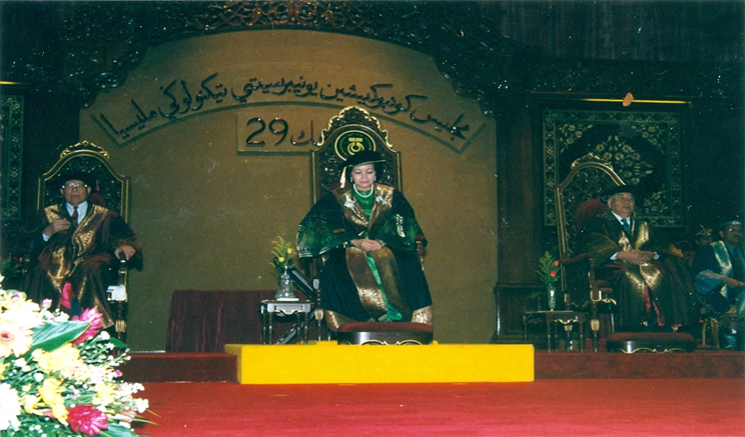
THE 43rd UTM CONVOCATION CEREMONY STAGE BACKGROUND
The background of the 43rd UTM Convocation Ceremony stage was unveiled in 2009. The background was based on wood adorned with carvings in Jawi script. The Jawi script was used to symbolise the early Malays high level of knowledge tradition which should be preserved for generations to come.
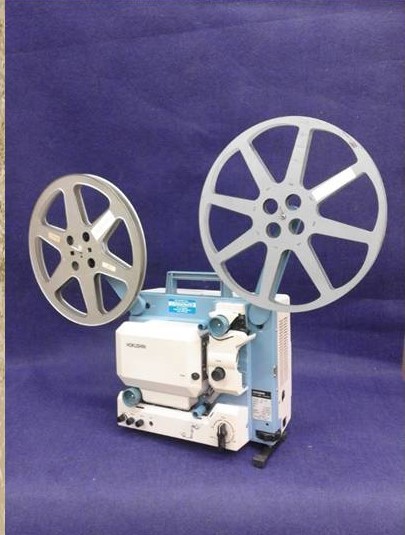
‘HOKUSIN’ FILM PROJECTOR
This film projector (for 16mm film) along with the 1985 Japanese brand Hokusin audio were used to play films for media services at UTM Library. It was used as a teaching tool by the faculty in the 1980s through the 1990s. It is becoming less widely used when digital technology is widely introduced in the teaching and learning process. The film used was a 16mm in size to fit the projector used. For example, the film of the National Film Malaysia film titled ‘University of Technology Malaysia’. The film is kept in a sealed container to protect it from environmental threats.
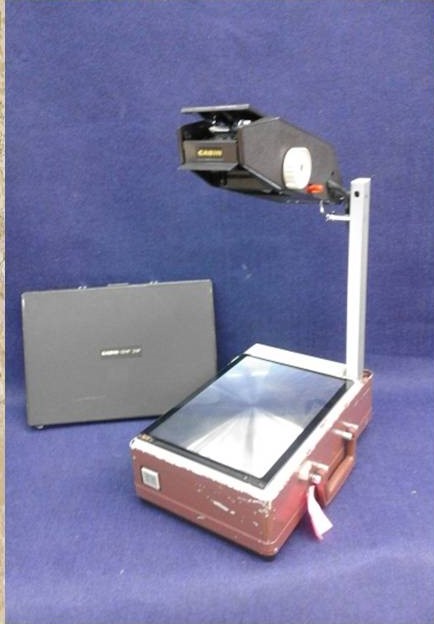
‘CABIN’ OVERHEAD PROJECTOR
This 1985 ‘Cabin’ Overhead Projector 24F model was made in Japan. It was used at UTM Library for media services and as a teaching tool by the faculty at the library’s seminar rooms from the 1980s to the 1990s. This device was commonly used at the time as it was mobile and easy to operate.
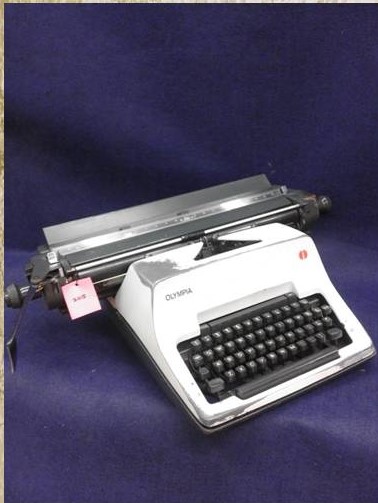
OLYMPIA : SGE A62 MODEL TYPEWRITER
The German-made OLYMPIA typewriter, model SGE A62 was used in UTM Library in the late 1970s until 1980s. This typewriter was used in producing catalogue cards. The application of this tool was ceased due to the advent of online catalogue.
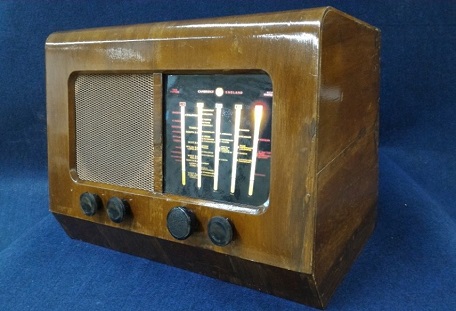
‘PYE MODEL–CAMBRIDGE, ENGLAND’ RADIO
This radio which was produced in the 1950s was used during the 1960s and 1970s at Technical College, Kuala Lumpur. It was used as one the medium of information dissemination and with the purpose of supporting the learning and teaching activities.
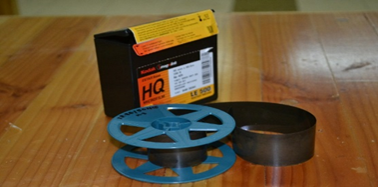
MICROFILM
A microfilm is a media item which was heavily used as a learning and reference medium in UTM back in the 1980’s until early 2000. It used a special 35mm size film and was stored in boxes for easy storage. There are almost 15,000 titles of microfilms in UTM Library collection ranging from theses, international journals, acts, newspapers etc. The Library’s effort in carrying out microfilming process began as early as the 1980s until 2007 and it focused on duplication of theses and research project. The initiative was carried out to preserve the security of the intellectual property of the University. Also to ensure that this primary source of information can still be referred from time to time. The microfilm collection is stored in an environmentally controlled storage at the Media Materials Room, UTM Library.
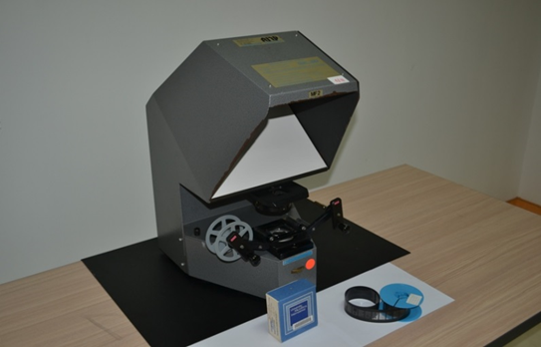
MICROFILM READER ‘ALLEN MICRO MODEL’
The microfilm reader was first used in UTM Library around early 1980’s and early 2000’s. It was used for reading thesis content (text and images) which was stored in microfilms and displayed on the machine’s screen. At the time, the online information development was very limited and it gave an impact to users reference approach. As such, microfilm became one of the main sources of information in UTM Library. The microfilm was considered essential in the Library’s collection as a mean of storing a large amount of data with a small medium.
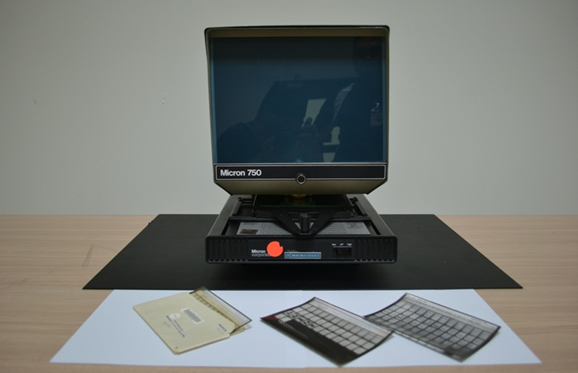
MICROFICHE READER ‘MICRON 750 MODEL’
The Microfiche Reader was used to read the content of a microfiche. It was a source of information in the form of a flat film sheet and contained text and images. The content of the microfiche film were read according to the order of the letters on the machine and the display could be expanded when needed. A total of 500 titles of microfiche are available in UTM Library collection covering various sources such as journals, technical reports, proceedings, and other general references.
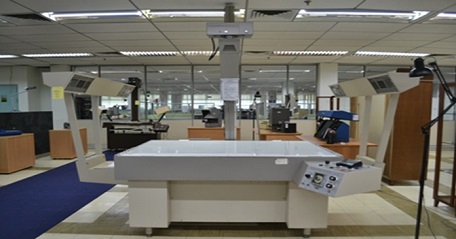
MICROFILM MACHINE ‘RECORDAK MODEL’
The ‘Recordak Micro-File’ machine was used to capture small images of UTM theses. The images were recorded into microfilms or microfiche. It utilised a special film; the ‘Kodak Ektacrhrome’ which was 35mm in size, and with a capacity of 100 feet per film roll. This machine was first used in UTM Library around early 1980’s until around 2007.
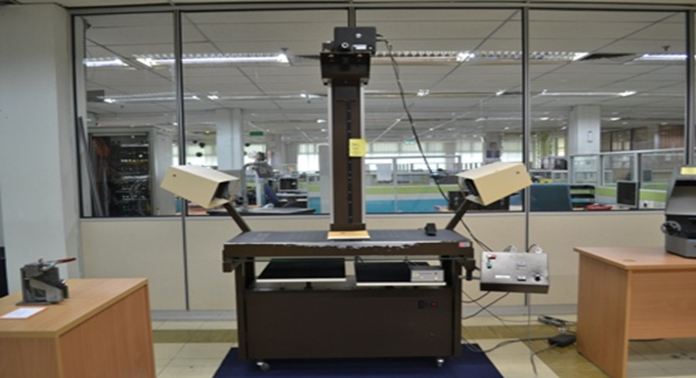
MICROFILM CAMERA‘ZEUTSCHEL OK 102 MODEL’
The ‘Microfilm Camera Zeutschel OK 102’ is a high accuracy camera used to photograph small images of UTM theses. The images were recorded into microfilms or microfiche. It utilised a special film; the ‘Kodak Ektacrhrome’ which was 35mm in size, and with a capacity of 100 feet per film roll. This machine was first used in UTM Library in 1986 until around 2007.
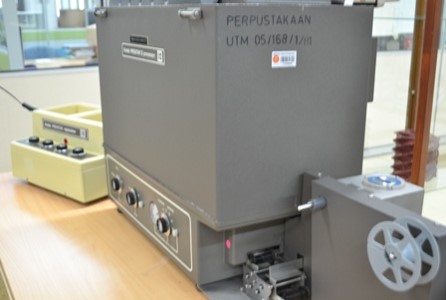
MICROFILM PROCESSOR ‘KODAK PROSTAR MODEL’
The ‘Kodak Prostar II Processor’ was used to cleanse the 16mm and 35mm sized microfilm of ‘Recordak Micro-File’ machine and the ‘Zeutschel’ microfilm camera machine. It also produced negative microfilms for UTM theses. It was capable of processing microfilms with a speed of up to 10 feet per minute.
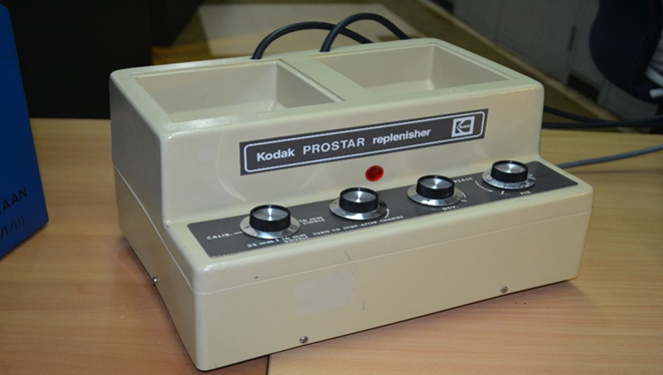
KODAK PROSTAR REPLENISHER MACHINE
The ‘Kodak Prostar Replenisher’ was used to mix two types of chemical compound namely ‘Kodak Developer’ and ‘Kodak Fixer’. The mixture was then transferred into the ‘Kodak Prostar II Processor’ machine to be used during the microfilm washing process.
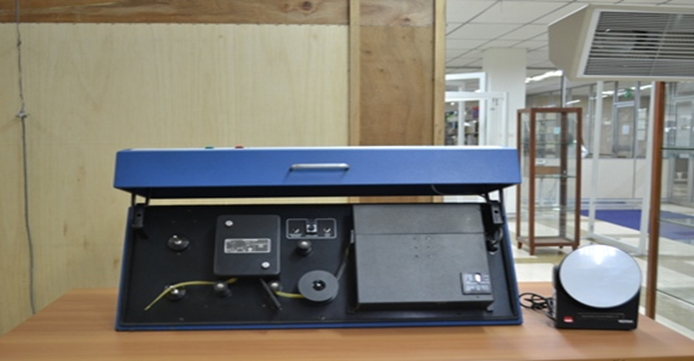
FILM COPY MACHINE ‘EXTEK 2101 MODEL’
The ‘Silver Film Duplicator’ was used to produce negative to positive microfilm copies. The microfilm negative copies served as references to users while the positive copies were stored in UTM Library special collection. The reason for this was to ensure that the master copy of each UTM thesis is preserved and traceable in UTM Library collection.
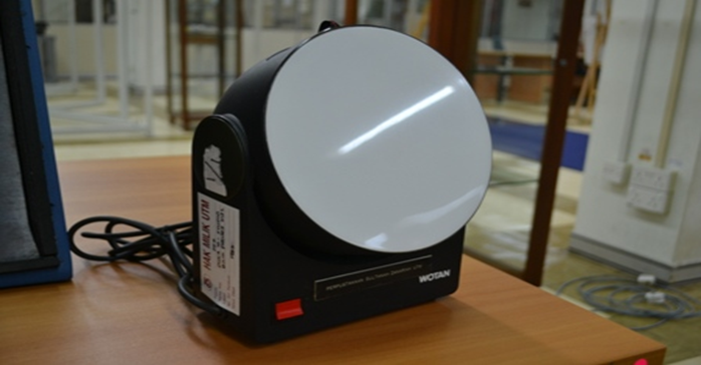
DARK ROOM LIGHT ‘ WOTAN MODEL’
The ‘Darkroom Safelight’ is a special light used during the film editing process in the darkroom. It was also used during the transferring of films from the box into the ‘Kodak Prostar II Processor’ machine. It has a very low lighting density as the quality of the film will be affected when exposed to ordinary light.
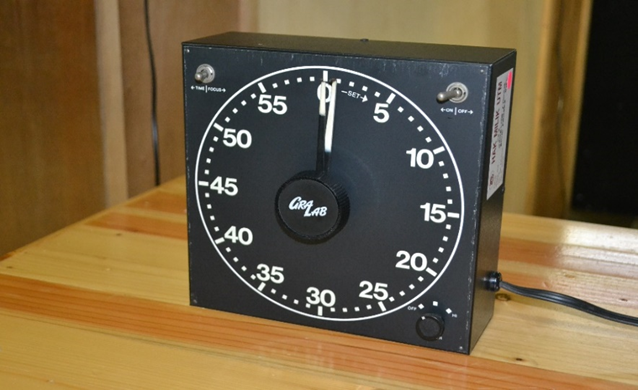
TIME CONTROL DEVICE ‘GRALAB MODEL’
The ‘Darkroom Timer’ is a time control tool used in the darkroom. The time control process was carried out during the process of soaking the microfilms manually in the chemical mixture. This tool was needed to control the period of soaking in accordance with the procedure so as not to affect the quality of the microfilm.
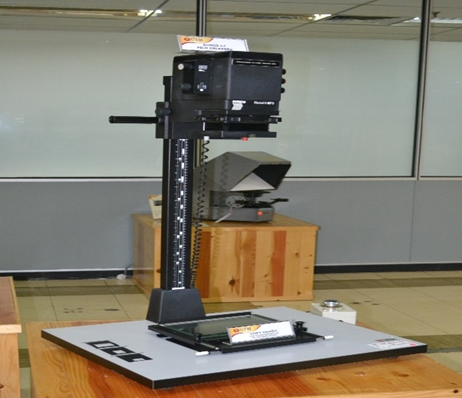
IMAGE MAGNIFYING MACHINE ‘DUNCO 67C MODEL’
The ‘Film Enlarger’ is a tool used to enlarge images to produce photo prints from negative films. It could be modified according to a preferred image size. The film magnifier was only used in the darkroom to prevent light from entering. It was first used in UTM Library around 1985 until 2007.
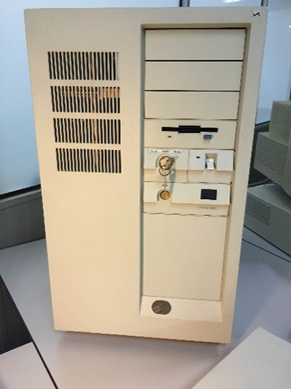
IBM 550 POWERserver
The IBM 550 POWERserver boasted an outstanding performance with its fastest chip in the world during the 1990’s technology. It was considered as an apt system for a medium-sized database at the time. In relation to the Library’s technology, the application of the library management system on a ‘freeze’ terminal which operated on a Mainframe was seen as the starting point of the information technology evolution and played a great impact on UTM Library’s history.
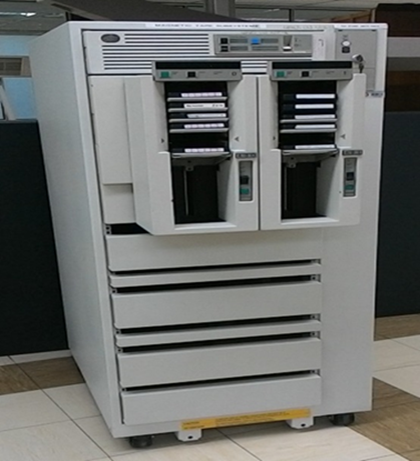
MAINFRAME TAPE SUBSYSTEM MODEL : IBM 9309
The Mainframe Tape Subsystem was used as a ‘back up’ for mainframe system and information database of staff and students as well as other University’s information system during the year 1987 until 1995. This model used a square shape tape after the round shape tape was no longer in use.
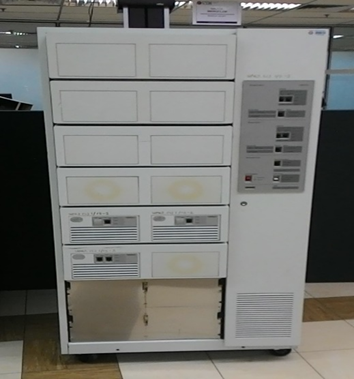
MAINFRAME DATA STORAGE MODEL : IBM (9345B22)
The usage of Mainframe System at UTM began in the 1970s at Computer Centre, UTM campus, Kuala Lumpur. It served as a data control of students and staff information. The mainframe has been used for almost 20 years for various components and functions such as processing, storing, securing, and printing the University’s information data.
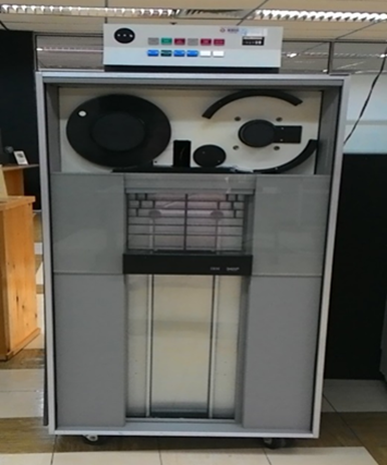
MAGNETIC TAPE UNIT MODEL : IBM (3420)
The Magnetic Tape Unit is used as a ‘back up’ for the mainframe system and information database of staff and students as well as other University’s information system during the year 1976 until 2010. Initially, this model used a round shape tape before converting to square shape tape.
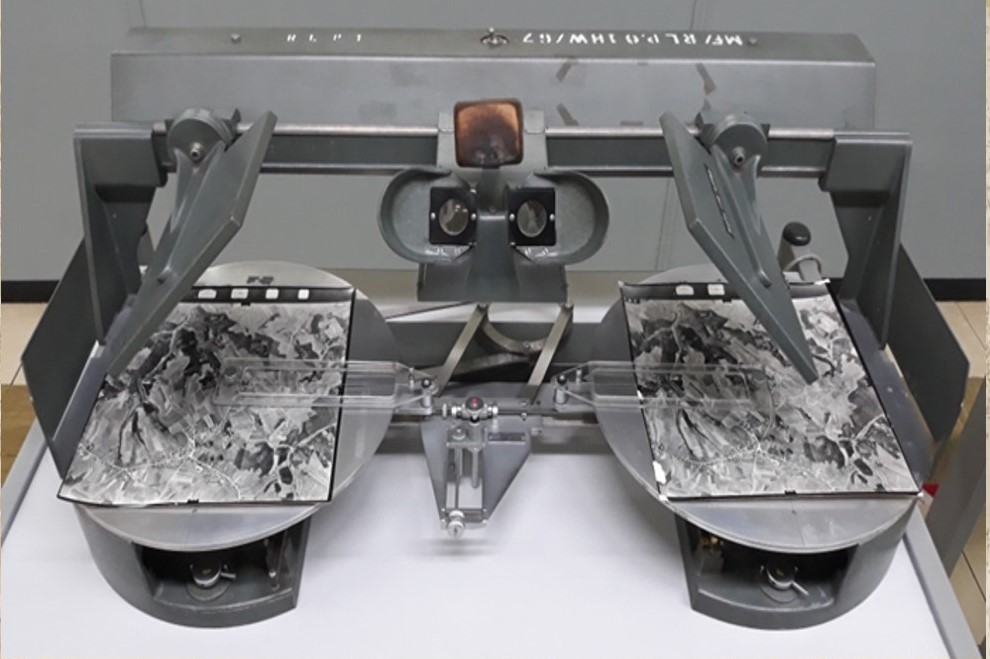
RADIAL LINE PLOTTER
This Radial Plotter was used at the Department of Photogrammetry, Faculty of Surveying during the 1960s to 1990s to produce topographic maps using a photogrammetry method. The students were exposed to mapping concepts and topographic mapping procedures using photographs as the main data source. This tool was used as the basic for photogrammetry principles and procedures in laboratories and for Bachelor’s Degree Project (formerly known as Special Technical Project) of students specialising in photogrammetry. Photographs with overlapped images were attached to this device and the creation of 3D images were displayed through a telescope. With the aid of a floating point, the shape and height of the surface could be seen and this allowed the contours of the terrain which were consistent with the scale map be produced fast and accurately. The photogrammetry equipment changes as technology progresses. As a result, at the end of the 1990s, this tool was no longer in use after the Faculty relied heavily on stereo plotter and digital plotter which were controlled by a computer.
PROCESS CAMERA
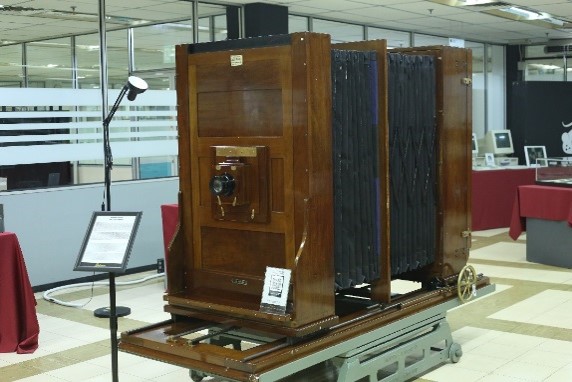
The ‘Process Camera’ was manufactured by Hunter Penrose Ltd., a company which was based in the United Kingdom where thousands of these devices were sold worldwide in 1890 until 1962. This camera which was a gift from the Department of Survey and Mapping Malaysia (JUPEM) was used since the British colonial. This initial model was fully mechanical and was used to facilitate students in understanding the principles and procedures of photography production. This KLIMCH ‘horizontal process camera’ was used at the Cartography Department, Faculty of Surveying during the early 1980s until the late 1990s. The students who undertook land surveying course drew map sketches on papers or tracing papers using technical pens to produce maps and graphics in a conventional method. The final drawing or manuscript was considered as a scientific document which could be used for various application specifically in the planning and development of land or landfill. The result of the sketch was displayed onto a specific location which was the focal point of the camera lens. Plates and films containing terracotta contour images were processed to produce black-and-white maps or coloured maps. Printed topographic maps were treated as ‘CONFIDENTAL’ and ‘LIMITED’ and used only for teaching and learning purposes in the Faculty. The application of this camera was ceased in early 2004 due to the advent of digital technology.
CATALOGUE CARD
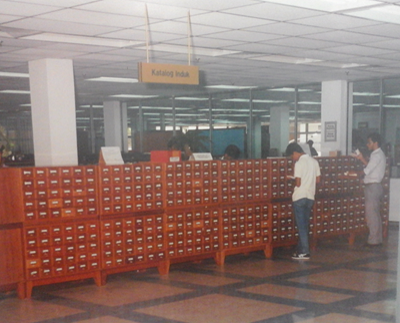
From the 1970s to the late 1980s, catalogue cards were the main source of reference used by the library staff and students to search for materials in UTM Library. Each library collection information such as the title, author, publication information and physical description was recorded to a 3×5-inch catalogue card and organised by main search source based on the title, author and subject for easier retrieval of items on the shelves. The catalogue cards were then arranged and stored in alphabetical order within each drawer of the catalogue card cabinet and separated by the main search source as specified. The card sorter was used to isolate each catalogue card in an alphabetical order and the main search source. The use of the catalogue card was replaced by the first computerised cataloguing system known as BERLIAN which operated from 1987 until 1990. This system made it easier to search for library materials electronically. The use of BERLIAN systems has opened a new dimension to the long history of catalogue cards application in the library services over the years from 1973 to 1987. BERLIAN has taken over the functions of the catalogue card and was considered as a turning point for future system development.
INFOLAN TERMINAL
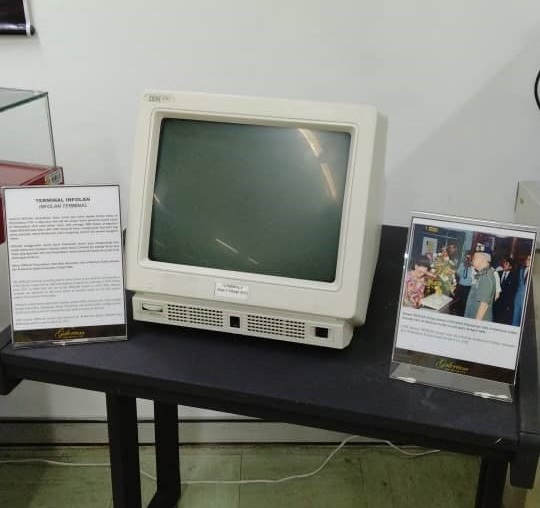
The INFOLAN terminal provides general online access to the collection of materials in UTM Library. It was used by staff and students to search for materials in UTM Library from 1991 to 2000 after the use of the BERLIAN system in 1987-1990. Material searches use keywords for the main source of searches based on the title, author, subject, and material call number. INFOLAN utilises Dynix Automated Library system which contains five main modules namely Acquisition, Cataloging, Serial, Circulation and Online Public Catalog used by the library staff to meet the needs of the main work processes at the time. UTM Library INFOLAN system was launched by Al-Marhum Sultan Iskandar ibni Al-Marhum Sultan Ismail on April 16, 1992.